
0121 271 0221
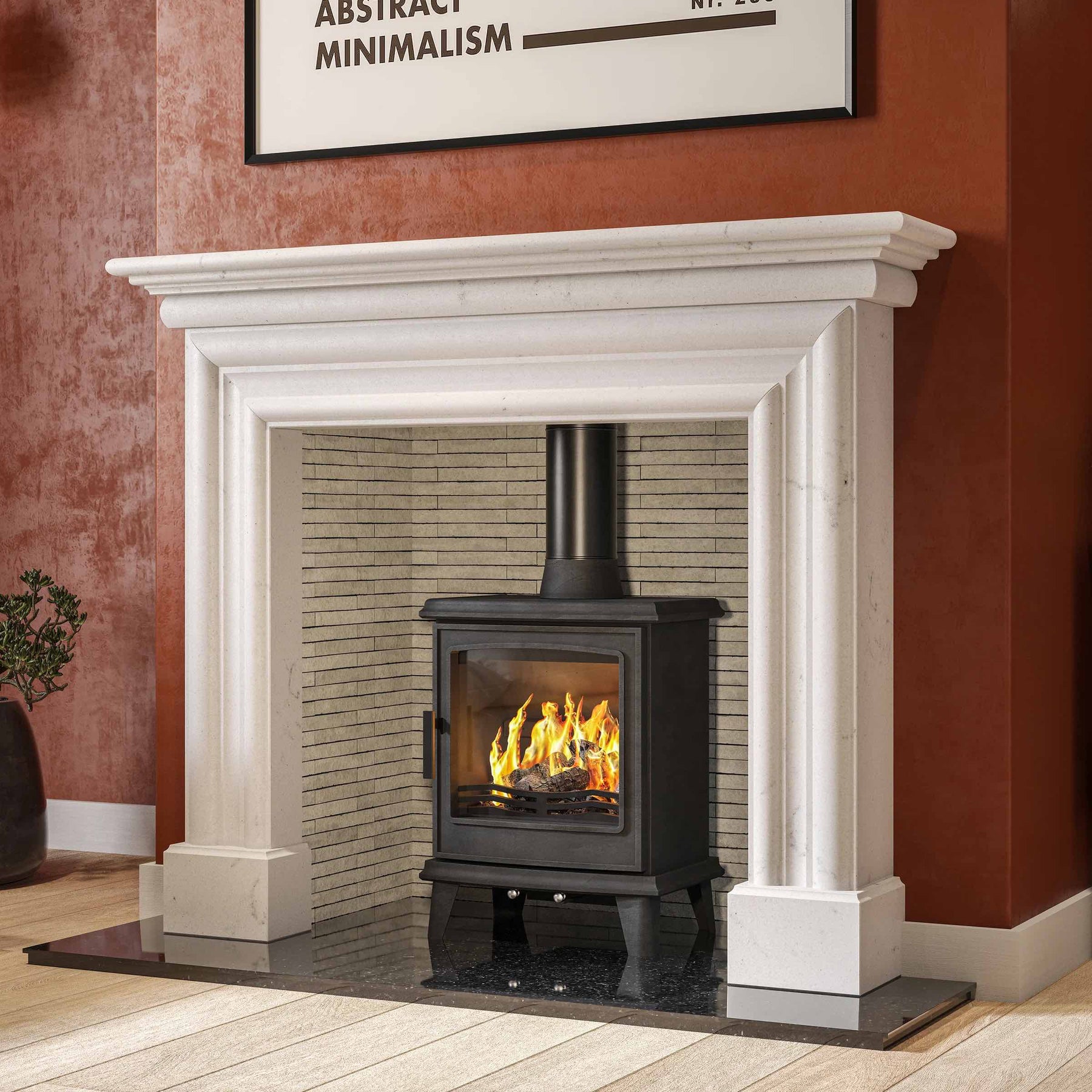

Wood-burning stoves are, for obvious reasons, mainly associated with the winter months… so why would you want to use a wood-burning stove in summer?
Well, we can’t pretend that you’ll get as much use out of a woodburner during the warmer weather, but it can be a handy things to have around.
So, why is it useful to have a wood-burning stove in summer?
Think summer and you instantly think sun, sea and sand. Sadly, it’s not always quite like that in the UK.
We normally get a generous smattering of chilly days and, on those days, it’s quite nice to have a wood-burning stove to call upon.
In those circumstances, a stove is a cheaper and more pleasant alternative to popping the central heating on.
Your boiler is more likely to pack in during the colder weather, but there’s nothing to stop it happening in summer.
A wood-burning stove is a great backup option in the event of a power cut or problems with your boiler. You'll still be able to create hot water for your household even if your central heating is out of order.
Think back to the summer of 2012 and you probably remember the golden haze of the Olympics. Cast your mind back a bit further and you might recall that June and July of that year was absolutely freezing.
At the time, some experts calculated we’d spent an extra £1 billion on heating bills as a nation because we reached for the central heating… except those of us with a woodburner to light instead.
Summer is also a very convenient time to do work on your wood-burning stove. Although we’ve pointed out occasions that you’ll be able to use your woodburner in the summer months, the chances are it will be out of use for extended periods, too.
If that’s the case, you need to put a bit of effort into keeping your stove in top condition. Find out how to prepare your stove for summer.
If you don’t yet have your wood-burning stove, summer is a great time to think about the installation.
Installing a woodburner in summer is actually quite a sensible option. For starters, it means your stove will already be there when you need it instead of reacting to a problem when it arises.
Benefits of installing a stove in summer include:
Reputable stove installers are far busier during the cooler weather. Human nature is to respond to the problem in front of us at the time.
The moment the leaves start to turn autumnal colours and the first hint of a chill fills the air, any decent woodburner installer will be fully booked. If you want a quicker, smoother installation, get the same installer in the summer when their diary will be relatively free. There is more likely to be more for negotiation on the quote than when they're batting away enquiries come September.
If you have the foresight to arrange your installation before the temperatures start to drop, you will have a wider choice of competent installers (before all the best ones get booked up weeks in advance).
You're likely to be able to get a cheaper deal when installing a wood-burning stove in summer.
Not all stove installers will be willing to discount their services – particularly when they are in such high demand – but those that will are more likely to do so in the summer months when jobs are a bit thinner on the ground.
By installing a woodburner in summer, you are giving yourself the best possible opportunity of bagging a bargain.
The same goes for buying your stove. There is no escaping the fact that wood-burning stove retailers are also much quieter in the summer months. You're more likely to pick up a deal in a wood-burning stove sale during the summer months.
There are also practical advantages to avoiding the worst of the weather when planning your woodburner installation.
At its most basic level, this means your stove installer isn’t having to walk through mud, puddles and mushy, fallen leaves each time they go in and out of your home. Although the British summer might not always help you out in this regard, generally speaking your carpet will be safer if you choose to install a woodburner in summer.
Installing a woodburner in summer also minimises the risk of your installation being postponed due to particularly treacherous conditions: there is less chance of icy roof tiles and high winds in the summer months.
The temperatures are up, the skies are (sometimes) blue and the central heating is switched off. So why buy a woodburner in summer?
There are quite a few reasons why it's a good idea to buy a log burner in summer months are the perfect time to buy your new wood-burning stove, and we've already touched on some of them.
They include:
If your home is always warm enough in the summer months without the need to light a little fire to take away the chill, you
Although we’ve pointed out occasions that you’ll be able to use your woodburner in the summer months, the chances are it will be out of use for extended periods, too. For that reason, summer is also a very convenient time to do work on your wood-burning stove.
It's a great opportunity to put a bit of effort into keeping your stove in top condition. Some of our top tips for bedding your stove down for summer are:
Give your stove a good clean before giving it a rest for the summer. Ashes can be corrosive if they’re allowed to sit, so you will want to ensure that you’ve got rid of them all before your stove is out of use for any extended period. Follow the wood-burning stove maintenance tips.
No doubt your woodburner and flue system have taken a lot of punishment over the winter months.
Remove corrosive soot and creosote from the system and ensure that your stove is ready for action as soon as the temperatures drop with the help of a professional chimney sweep.
If there are any signs of rust on your stove, it’s not going to get any better with time so it is best to stop the problem at this stage.
A bit of wire wool and some stove paint will have your appliance looking as good as new. Follow our tips on removing rust from a wood-burning stove
You’ll also need to give your stove a once-over MOT to check for any other problems.
Some of the key things to look for include gaps between the panels, a warped or damaged grate, holes in your baffle, cracked glass and damaged rope. Any damage or broken parts can be replaced with stove spares.
Follow this guide to performing a check-up on your wood-burning stove.
During the summer months it is best to leave the stove door slightly ajar. This ensures air flow and ventilation to the stove system, which helps to prevent corrosion.
Follow those tips and your wood-burning stove should be in prime condition when you next need it.
If you want to add a wood-burning stove to your home this summer, check out our wood-burning stove sale or see our full collection of log burners.
{"one"=>"Select 2 or 3 items to compare", "other"=>"{{ count }} of 3 items selected"}