
0121 271 0221
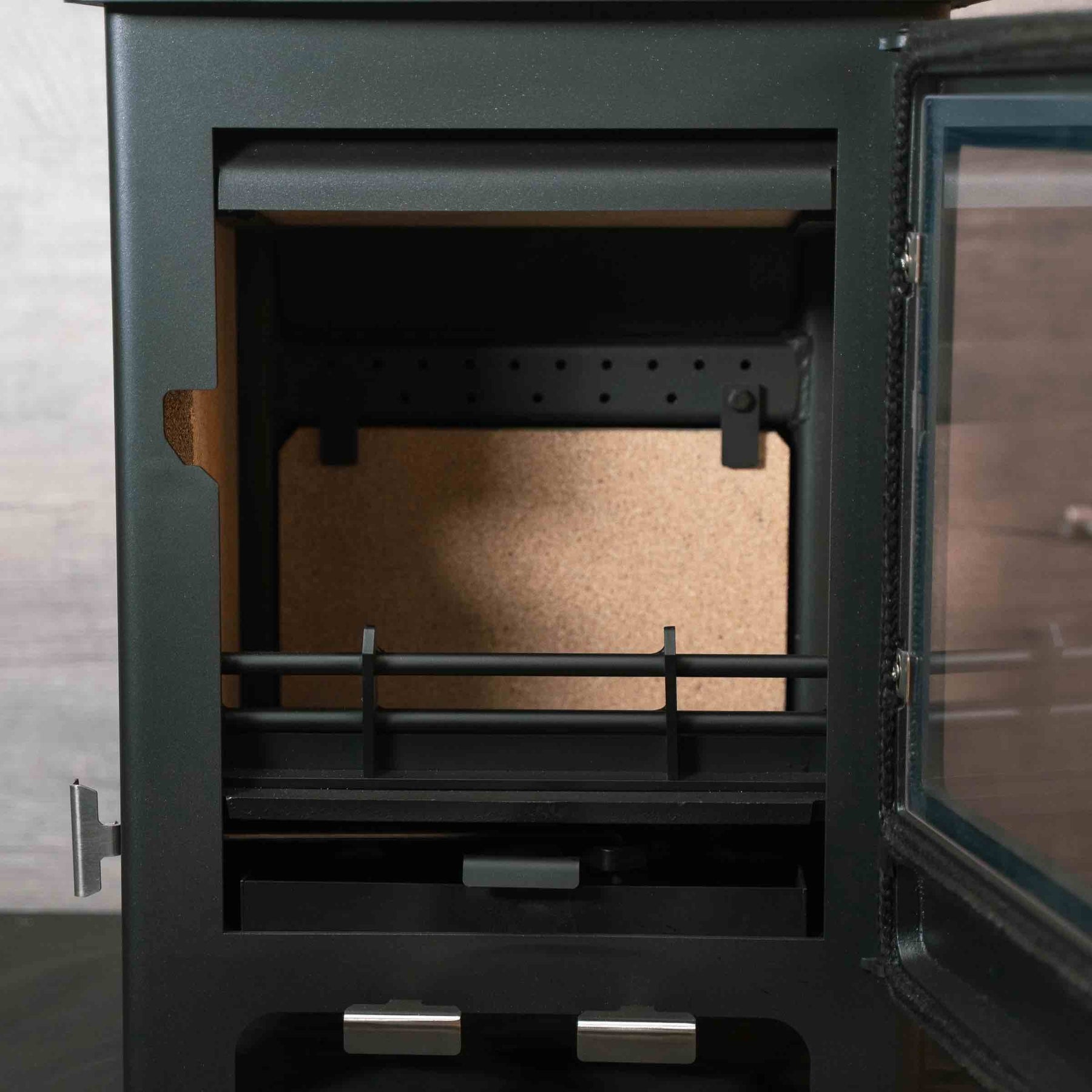
Follow these recommendations on cleaning wood-burning stoves to keep your logburner looking immaculate.

The chances are you installed a wood-burning stove either because you like the aesthetics or to save money on your heating bills.
Cleaning your wood-burning stove is a vital part of ensuring you continue to enjoy the benefits of either of those reasons.
Not only does regular cleaning keep your stove in attractive condition, it also ensures that it continues to perform as efficiently as possible.
In this article, we'll explore the importance of cleaning wood-burning stoves, discuss the benefits it brings for you and your stove, and share our top logburner cleaning tips.
Cleaning a wood-burning stove keeps it looking its best and working at maximum efficiency. Taking away ashes, soot and dirt ensures your logburner continues to be an attractive focal point in your room.
The same process of cleaning a wood-burning stove also ensures it is operating efficiently and safely.
Cleaning a logburner has many advantages. They include:
Cleaning has an important role within your wider wood-burning stove maintenance regime in making sure your stove and its parts last for as long as possible.
Leaving ashes and soot to sit for prolonged periods can cause damage to the stove body, as well as the baffle, grate, ashpan and firebricks.
Regular stove cleaning helps all of these parts last longer.
Build-ups of flammable deposits of tar and creosote can make your stove system unsafe.
Regularly cleaning your logburner properly helps to keep you and your household safe.
A clean wood-burning stove operates more efficiently — and therefore more cost-effectively. This helps to lower running costs and save you money.
Coupled with the fact that cleaning also reduces the need to replace consumable parts, your stove cleaning regime will also cut down on the cost of stove spares.
It’s not really possible to ‘over clean’ your stove. As a bare minimum you should give your stove a thorough clean every three months.
We'd recommend a good monthly clean in most cases. This will help you to stay on top of the cleaning process and keep your stove running well.
Here are a few tips on the wood-burning stove cleaning process:
Always let your logburner cool completely before starting to clean it.
The first step in the wood-burning stove cleaning process is to remove the baffle, grate, ashpan and firebricks. Always consult your user manual first to check how to remove them.
You can then vacuum any ash from inside your stove. Keep in mind that ashes are messy and abrasive, so you may prefer to use an older or alternative vacuum cleaner rather than the one you use around the home.
Clean any deposits of soot, tar and creosote from the stove’s internal surfaces and the grate. You can do this with a wire brush or scraper as required.
Next, clean the firebricks you removed. A gentler approach is needed than for the stove body. We'd recommend using a soft brush.
You can now clean your wood-burning stove glass to take away any soot and grime. Most wood-burning stoves are fitted with an airwash system, which keeps soot away from the glass.
The best ways of cleaning wood burner glass are by using:
Never use an abrasive cloth or substance to clean the glass.
Once you've finished the woodburner cleaning process, you can restore all the internal stove parts you removed.
Getting your chimney swept a couple of times a year is a crucial part of cleaning a wood-burning stove. This removes build-ups of creosote to keep your stove working safely and efficiently — similar to the other stove cleaning measures we've mentioned.
In between sweeps, you can use flue cleaner. This is a very simple way to remove tar, soot and creosote deposits, as well as minimising the risk of future build-ups. This helps you to prevent chimney fires.
We stock a range of cleaning products to help you keep your stove in pristine condition. These include
And remember: while you’re cleaning your stove, it's a good time to do some basic logburner maintenance checks, too.
{"one"=>"Select 2 or 3 items to compare", "other"=>"{{ count }} of 3 items selected"}