
0121 271 0221
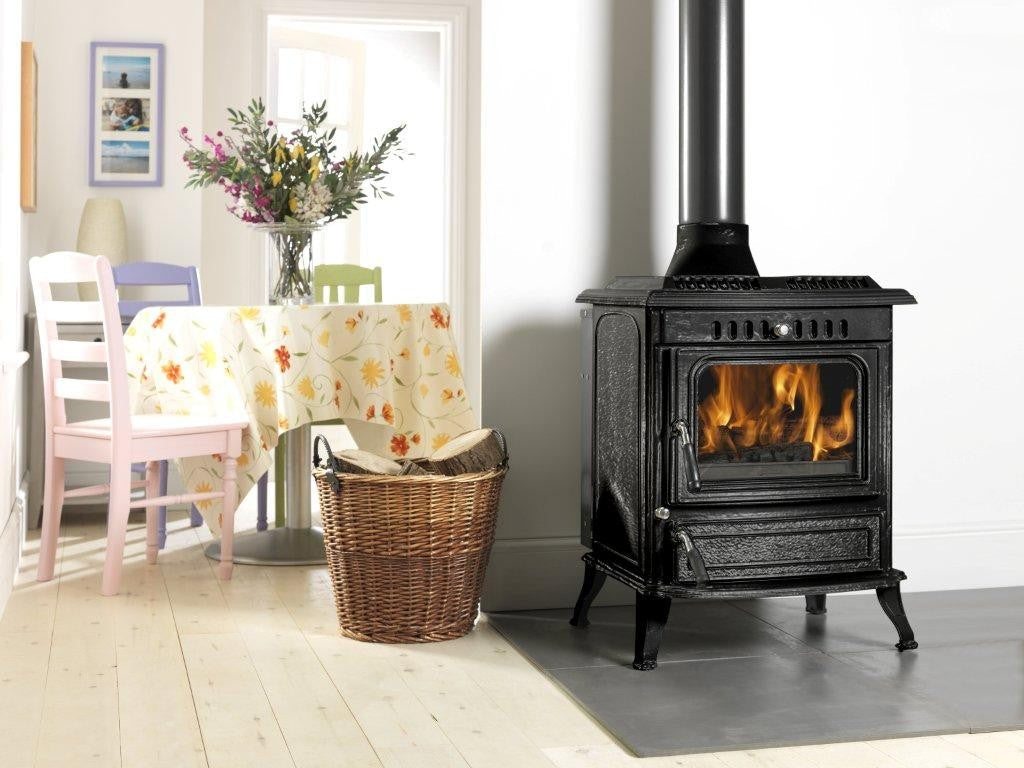

While fire and water are both among the classical elements, they don’t traditionally go together well. In fact, water is one of the last things you would expect to find in your woodburner, so it can be a concern if that happens.
So, why is there water in your stove? Let’s look at some possible explanations.
The simplest explanation and the one that is easiest to solve is that some rainwater has got into your stove. Your flue provides a direct route to the outside world, so it is possible for rain to make its way down your chimney and settle in your stove.
For this reason, we recommend you occasionally light your woodburner during extended out-of-use periods, such as during the summer, to evaporate any water that has got into your stove system and reduce the risk of rust forming. You might also consider fitting a chimney cowl that would provide some protection from precipitation.
Water can also appear in your stove in the form of condensation. This happens if your stove is not working hard enough. The flue gases cool more quickly than if the stove were operating at full power and condense against the inside wall of the flue. This condensation can then seep down into the stove.
If you find black water in a woodburner, this is likely to be tar condensation. This is caused in the same way as detailed above. You can prevent condensation in your stove by:
If you spot moisture in a boiler stove soon after lighting an appliance, this can be caused by warm, damp air in the stove hitting the cold surface of the boiler. It should disappear shortly after lighting.
Similar to the condensation problems mentioned above, moisture can also form in a boiler stove if the appliance doesn’t have a large enough heat output for what the heating system requires. For example, if you have a large number of radiators connected to a small boiler stove. This would cause the boiler stove would to operate at a slow burning rate and create condensation.
Should the dampness problems with your boiler stove persist, it might be that a pipe thermostat is set to low or not working correctly. Check that it is set to allow the pump to operate at around 40°C and higher.
Also, if the heat leak radiator and gravity circulation to the hot water cylinder are not working properly, this can cause the stove to be shut down by the thermostat because it does not have neough work to do. This, too, can cause condensation in the stove.
If you find water inside a boiler stove when the fire is out and you have exhausted the options above, it could be that a leaking boiler is the problem. In this case, call a competent engineer to check the boiler for you.
{"one"=>"Select 2 or 3 items to compare", "other"=>"{{ count }} of 3 items selected"}